The Survival Weekly Dispatch - Volume 13, Issue 27

Hey folks, thanks for checking out the newsletter this week. Last week Friday, we had a small but intense storm roll through the area. The National Weather Service later deemed it to be a downburst wind event that produced winds of 90-100mph. Lots of damaged homes, and many trees were uprooted or snapped off at the trunk. Residents were alerted afterward that power was going to be cut to the area for 3-5 days so crews could get things up and running safely.
Out on Geneva Lake, many boaters were trying to get to shore when the storm hit. Three young children lost their lives when the boat they were on capsized and then sank. While they were all wearing life preservers, they’d been sent down below into the cabin to get them out of the storm. When the boat capsized and went down, they were trapped inside.
While stormy weather had been in the forecast, they hadn’t predicted anything like this. Our home is on the outskirts of the affected area, and we managed to avoid any real damage. Just a few branches down, which I conveniently then used for a couple of knife reviews.
Storms like this are one of the reasons why we prep. If you lost power for 3-5 days, would you be ready to handle it?
* * *
We’re just a couple of weeks away from the release of Common-Sense Everyday Carry. I’m told it will be shipping from Gun Digest very soon, followed by Amazon in early August.
From the ad copy at Gun Digest:
A solid Everyday Carry (EDC) plan smooths out the rough spots in life — at work, at home, or on the road. Common-Sense Everyday Carry won’t turn you into a Batman caricature loaded down with a utility belt and expensive gear of questionable usefulness. Instead, author Jim Cobb — with 40 years of preparedness experience and a dozen books to his name — helps you make informed, intelligent decisions about what you actually want or need to carry to make daily life safer and easier.
* * *
I’ve been contributing to GAT Daily (Athlon Outdoors) for well over a year now. You can get caught up with all of my articles here. They are all free to read.
* * *
One of the very best descriptions of generative AI I’ve seen yet comes from my buddy Adam J. Whitlatch. “Generative AI is the bastard child of a photocopier and a blender.”
AI slop continues to be a problem in the preparedness niche, as well as everywhere else. I cannot stress enough how dangerous this can be. There’s enough bad information out there generated by humans already. Adding clanker-penned garbage to the mix isn’t going to end well.
Here are a few tips on how to tell if a book has been written by AI. Bear in mind that none of these are foolproof. They’re just alert signals that should push you to dig deeper.
1) The author doesn’t seem to exist outside of their book listing. If they don’t have a website and you can’t find them on any social media platform, that’s a big red flag. Just do some digging for their name using the search engine of your choice and see what pops up. If it’s a big fat zero, odds are they aren’t a real person. Even authors using pseudonyms usually have some sort of online presence under that name.
2) The book’s formatting is odd. I’ve purchased some AI-generated books, some knowingly and others not. Without exception, they all had weird line spacing, goofy paragraph breaks, that sort of thing. Lots of bullet-pointed lists, too. Like, a lot a lot. Amazon will often have a button where you can read a sample from the book. Use that to peek inside and see how the book is formatted.
3) AI-written copy is often kind of stilted and formal. The sentence length doesn’t vary much. If you read it out loud, it sounds very monotone and dry. It just doesn’t flow like most human writing.
4) Any prepper/survival book that’s marketed as being like “27 books in 1!” and it only runs 150 or so pages is either AI slop or just outright crap.
* * *
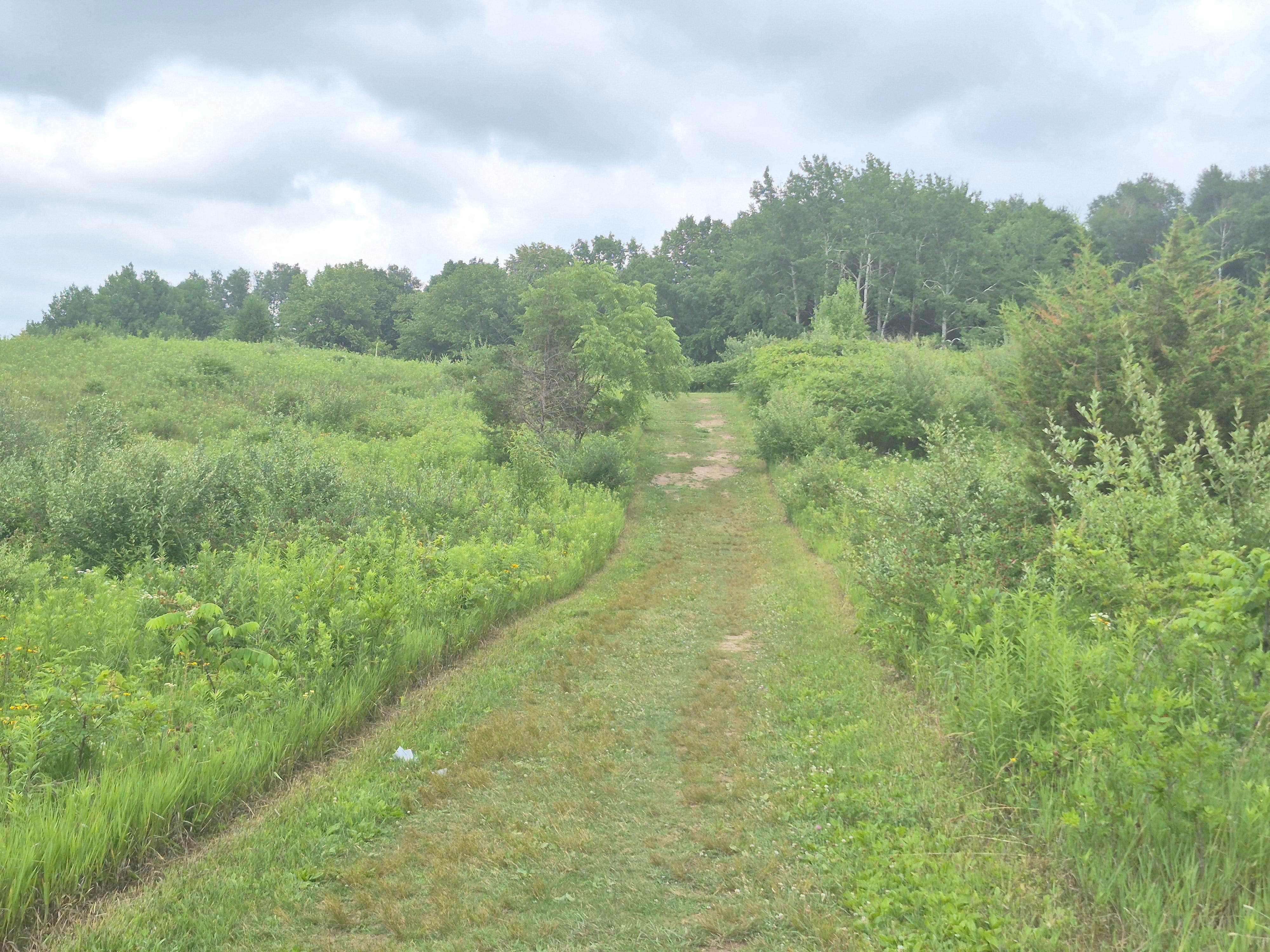
For our hike over the weekend, we went to the Pike Lake Unit of the Kettle Moraine State Forest. This was a new-to-us area. The trail we chose turned out to be fairly hilly and there was also a nifty observation tower. By the time we got back to the van, I was spent and fairly overheated, but it was still a good walk.
Survival Tip — Dealing with Emotions
This is something I read in the Nature Reliance School weekly email last week. “…giving emotions permission to make decisions rarely ends well.” Truer words were never spoken.
Whether we’re talking about leading with your heart instead of your head, letting panic run the show, or allowing anger to have supervisory privileges, none of it works out to our benefit most of the time.
It’s easy to notice when you’re on the outside looking in, but so hard to see from the inside.
I think most of us have had the experience of a close friend dating someone you knew was bad news, right? Countless red flags, but they refused to acknowledge them. Later, as you’re consoling them and picking up the pieces of their broken heart, you’re fighting the urge to say, “I told you so.”
Twitter and YouTube are filled with videos showcasing people who let their anger (and ego) run wild, and then suffered the results of doing so. The lucky ones are able to get back up and walk away.
And nobody has ever made a great decision while in full-blown panic mode, that’s for sure. When you get scared, you often get tunnel vision. As a result, you can’t see the big picture and the impact your decision could have.
Here are a few recommendations.
1) Breathe. So simple, and it does so much for us. In with the good air, out with the bad air. No matter what the emotion is that’s threatening to take over, calming breaths can settle things down a bit.
2) Don’t be afraid to walk away from potential confrontations. In the grand scheme of things, that guy’s opinion of your ancestry matters not at all. If they’re a genuine threat to your safety, then by all means do what’s necessary. Cutting you off in traffic and flipping you the bird probably don’t quite rise to that level, though.
3) Planning ahead for emergencies can certainly reduce panic if something happens. Learning skills and setting aside gear and supplies can go a long way toward keeping you calm in a crisis.
Backwoods Survival Guide Magazine
For those new to my little corner of the Internet, I am the Editor in Chief for Backwoods Survival Guide magazine. Here is the cover for the current issue available in stores right now.

You can find Backwoods Survival Guide just about anywhere magazines are sold, including:
Walmart
Publix
Walgreens
Rite Aid
CVS
Tractor Supply
Fleet Farm
Barnes & Noble
Questions, Comments, Complaints, Concerns?
I am always just an email away - jim@survivalweekly.com.
I appreciate your work! Thanks for mentoring us and keeping us in line. I definitely have a love/hate relationship with AI. It is useful in many ways, but I won't let it write for me!!!
wonderful information .Glad you didn't have much storm damage.
PS; have you heard about" PET". Feeding tube, unfortunely i have one of them now, feed my self From a Syringe all liquids,like Ensure, nothing by mouth,esophagus collapsed musles died. 'but im still alive & back home. always enjoy what you write.richie