The Survival Weekly Dispatch - Volume 13, Issue 5

Hey folks, thanks for checking out the newsletter this week. We finally reached the other side of the deep freeze locally. We had a stretch of days where it was just brutally cold. Now, given a free and open choice, I’ll always go with cold over snow. But when the wind chill falls below -20F, it’s just plan dangerous. Thankfully, we made it through okay.
On the work front, I’m devoting most of my time to my new EDC book that’s due this month. I’m making good progress, but I’m still behind where I wanted to be at this point. That said, I’m having fun with the book, and that’s what matters most to me.
* * *
Finances is one area I think many preppers overlook. There are many aspects to this particular category that should be addressed. One of them is simply how bills are paid.
I feel like most households fall into one of these two categories.
1) One person is responsible for paying all of the household bills, often from a joint bank account where each person’s paycheck is deposited.
2) Each person pays certain bills from their own separate accounts. For example, one person handles rent and the power bill, the other pays for gas and groceries.
There are pros and cons to each arrangement, and every household has to figure out what works best for them. But what if the person paying some or all of the bills gets hurt (or worse) and is unable to continue handling that responsibility? Let’s say your spouse handles all of the bills, and something happens to them. Would you be able to step in and take over? If you are the person who does the family books, and something happens to you, will others know what to do?
In an ideal world, the bill payer will have a list of accounts they handle, including log in information, that’s kept in a known location. He or she should update it as needed so that it is always as current as possible. Any special instructions could be noted for each account, such as any particular payment arrangements that were made with the account holder.
In the event of a death, that list would also be helpful for survivors to know which accounts can be closed right away, such as recurring charges for gym memberships and such.
Listen, nobody likes these types of conversations, but they need to happen. Better to get it done now, rather than waiting until it’s too late.
* * *
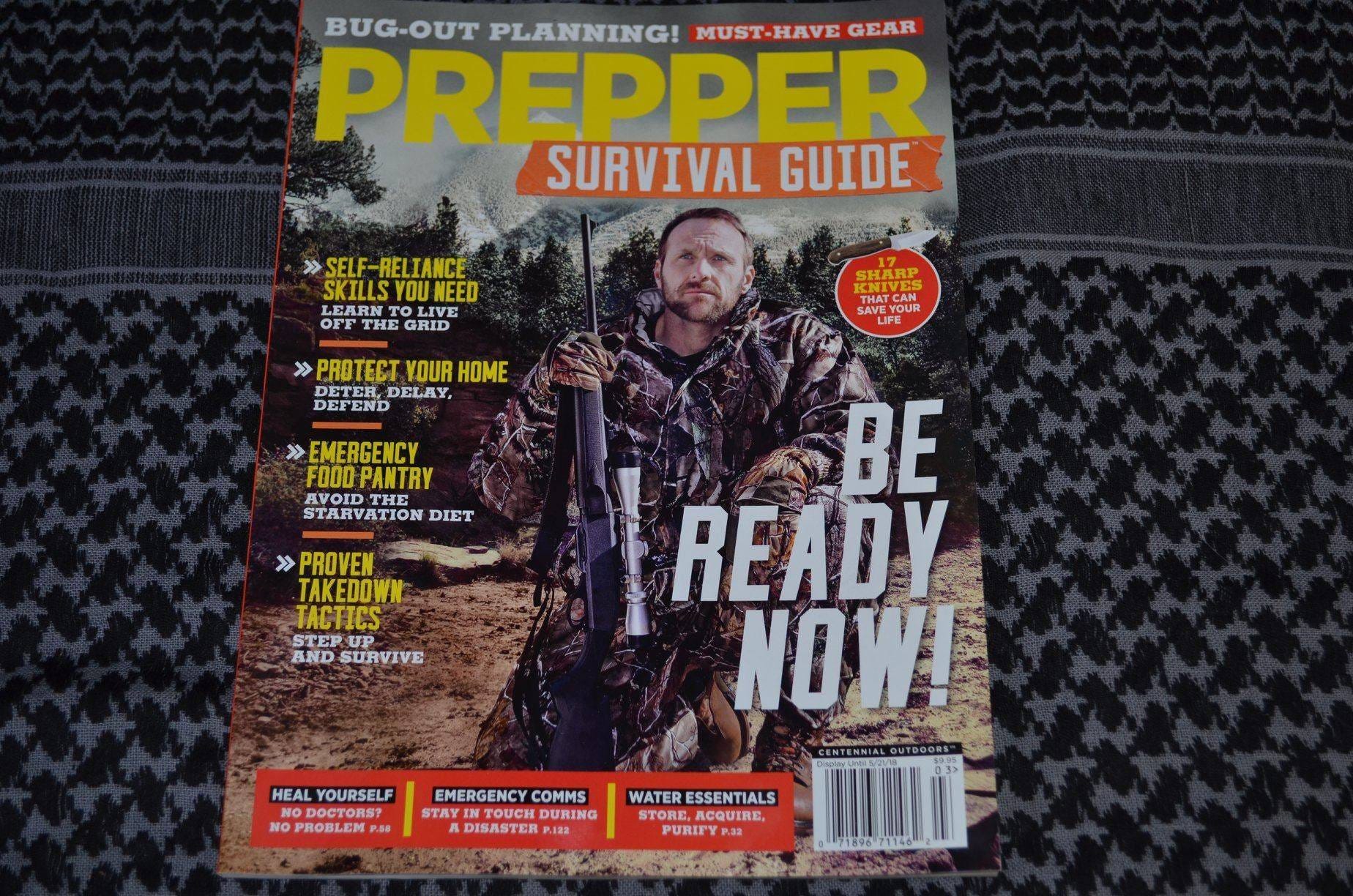
It was 8 years ago this week that the first issue of Prepper Survival Guide debuted. The publisher put it on hiatus in late 2024, but I still field emails and messages almost weekly from people looking or it. I’ll always be damn proud of the work we did with that magazine.
* * *
In case you missed it in last week’s newsletter, I’m partnering with Walworth County’s Emergency Management team to host a Basic Disaster Readiness class next month in Delavan.
Date: Monday, February 16th
Time: 5:30PM-7:00PM
Location: Aram Public Library, 830 E Geneva St Suite B, Delavan, WI
[Note, this is their temporary location as their building is being remodeled.]
Cost: FREE
During this class, we’ll cover the basics for sheltering in place during an emergency, including food and water storage, medical needs, staying warm, and more. The focus is on practical and realistic preparedness. We’re working on being able to stream the class online for those who can’t attend in person.
* * *
I don’t know how long the price will last, as I’m not privy to such things nor am I in charge of it at all, but at the time of this writing The Urban Prepper’s Guide is on sale at Amazon for $10.64. That’s a great price for this book, and the cheapest I think I’ve seen it yet.
* * *
Speaking of books, my friend Daisy Luther has a new novel out that sounds amazing! Here’s the description from Amazon.
Haven Hill was their sanctuary.
Kate Lindsey brings her teenage daughter to their mountain cabin to rest, to reset, and to enjoy their beloved forest retreat as summer fades into autumn. But something feels off this time.
Something has shifted.
Small, unsettling signs begin to pile up.
Is Kate’s hypervigilance creating shadows that aren’t really there?
Or is she right to believe they aren’t on the mountain alone?
When isolation turns ominous and old shadows come back to life, Kate must draw on every skill she’s learned over the past three years to become the protector Ariel needs. And on a mountain with no cell service, no easy escape, and no neighbors close enough to hear a scream, mother and daughter must rely on each other if they want to survive.
A taut, atmospheric thriller about survival, motherhood, and old nightmares that just keep coming back.
* * *
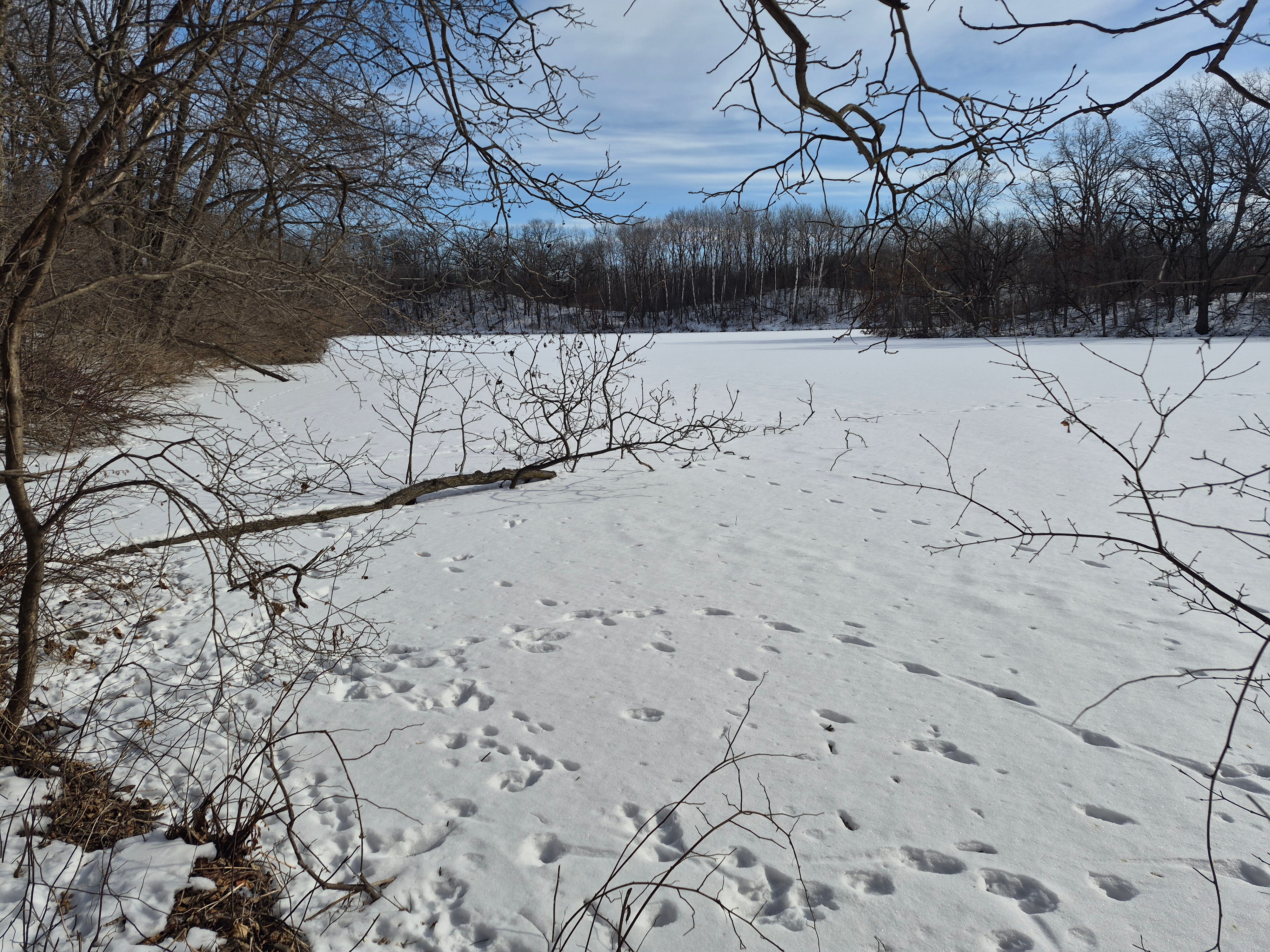
For our hike over the weekend, we visited the Rice Lake Nature Trail, which is near Whitewater, Wisconsin. It’s a short trail that circles a pond. In the summer, we typically see all sorts of wildlife. This time around, it was quiet but there were tons of animal tracks in the snow.
Survival Tip — De-Escalation Techniques
The easiest fight to win is the one that doesn’t happen. In the world of self-defense, de-escalation techniques are sometimes given far too little attention. Sure, there can be situations where violence is going to happen no matter what, but those are far outnumbered by situations where it could be avoided through the application of some de-escalation strategies.
This time around, let’s focus on communication.
There are two parts to communication—verbal and non-verbal. Verbal is what is heard, non-verbal is everything else.
Verbal starts with volume and tone. Speak calmly and avoid raising your voice as best you can. Depending on the environment, that might be a problem. For example, you’re in a nightclub or tavern. In a situation like that, what you want to avoid is sounding like you’re shouting AT the person, rather than TO them, if that makes sense. I also tend to slow my speech down a touch, as it can come across as more soothing.
What you say matters as much as how you say it. Avoid making demands. Think about it like this. If you and your significant other are having a spat and one of you says, “Calm down,” that’s just going to escalate things, right? Same thing applies outside the home. Use I statements instead, such as, “I can see that you’re angry. What can I do to help you?”
Don’t dismiss their feelings or judge them in any way. No matter if you feel they’re out of line, overreacting, or just being goofy, those feelings are all too real for them. Treat them with respect.
As for the non-verbal side of things, start by keeping a safe distance from them. This does multiple things. It keeps you out of reach, so they can’t swing and connect without at least moving toward you. Plus, keeping that space between you and them helps to keep you from looking threatening to them. If you can stand a little off to their side, rather than straight on face-to-face, all the better.
If you’re a hand talker, cool it as much as possible. Avoid sudden gestures, especially big ones where you’re swinging your arms and hands around. Just like with your voice, keep your movements slow and easy.
Most of us are pretty good at spotting fake smiles, so don’t bother with that. Instead, keep your expression neutral. Maintain some degree of eye contact, but don’t stare them down.
Strategies like these aren’t foolproof, but they’ll work more often than not. The goal is simply to talk the person down off the ledge, so to speak. You don’t need to be their new best friend, but if you can sidestep the fisticuffs, everyone wins.
Backwoods Survival Guide Magazine
For those new to my little corner of the Internet, I am the Editor in Chief for Backwoods Survival Guide magazine. Here is the cover for the current issue available in stores right now.
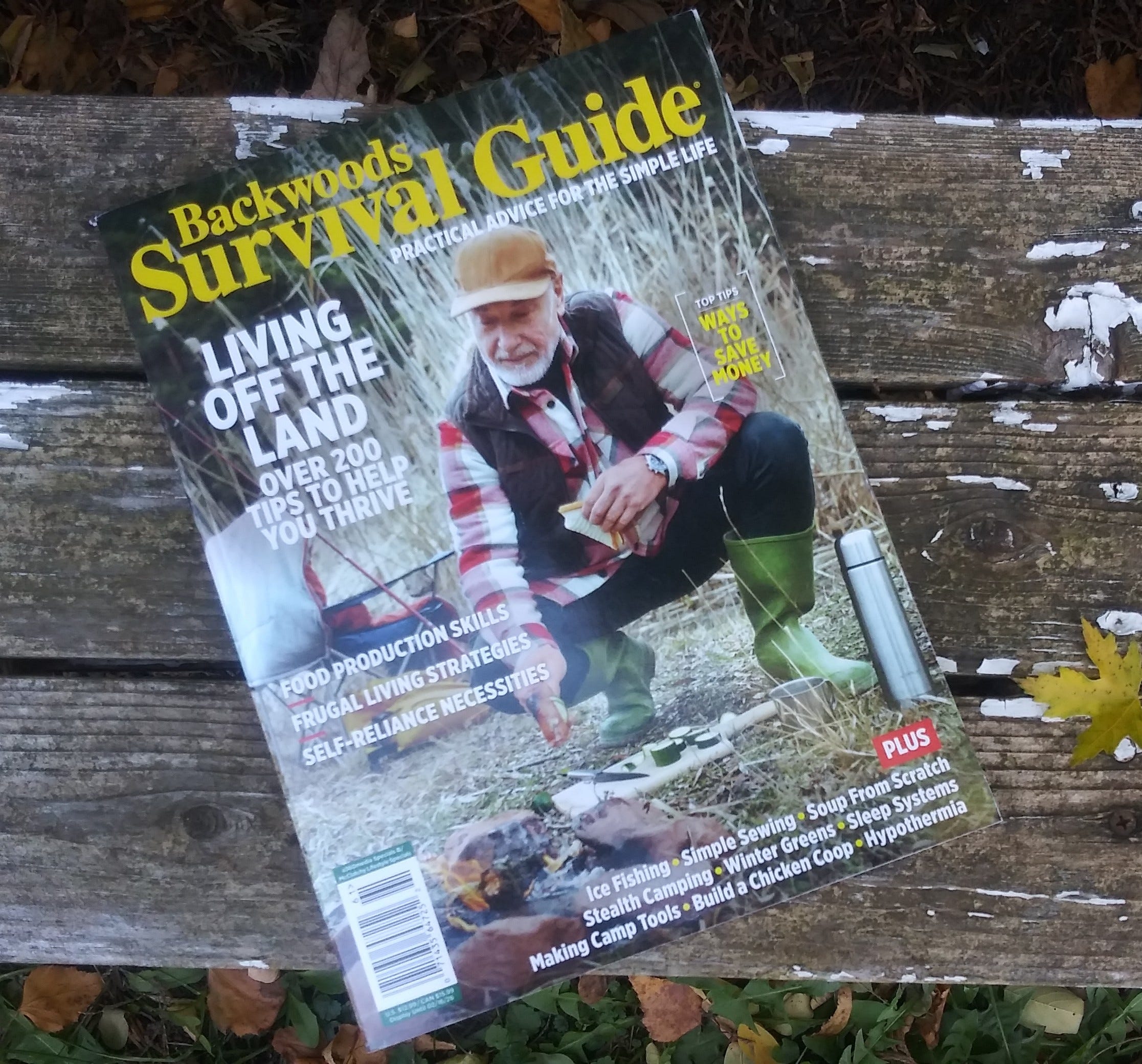
You can find Backwoods Survival Guide just about anywhere magazines are sold, including:
Walmart
Publix
Walgreens
Rite Aid
CVS
Tractor Supply
Fleet Farm
Barnes & Noble
Questions, Comments, Complaints, Concerns?
I am always just an email away - jim@survivalweekly.com.